

Minimalist Guide to Repairing Your Skin Barrier
Your skin is your body’s largest organ, and its outermost layer the skin barrier works hard to keep you protected every single day. When healthy, it locks in moisture and keeps irritants out. But when damaged, your skin may feel dry, sensitive, and inflamed.The good news? Healing your skin barrier doesn’t require an endless shelf of products. In fact, the most effective solution is to simplify. This guide will walk you through what the skin barrier is, signs it’s damaged, and the minimalist skincare routine that can restore it.
What Is the Skin Barrier?
The skin barrier, also called the stratum corneum, is the outer layer of your skin. Imagine it as a wall:
- The bricks are your skin cells.
- The mortar is made of natural oils, ceramides, and fatty acids.
Together, they form a shield that:
- Locks in hydration
- Keeps out bacteria and pollution
- Protects against sun and environmental stress
When this shield is weakened, your skin struggles to function normally.
Signs of a Damaged Skin Barrier
If your skin feels “off,” your barrier may be compromised. Common signs include:
- Dryness or flakiness
- Redness or irritation
- Burning or stinging when applying products
- Sudden breakouts
- Rough, tight, or sensitive skin
Common Causes of Skin Barrier Damage
Even the best-intentioned routines can cause harm. Some common triggers are:
- Environmental stress like wind, cold, or pollution
- Over-exfoliation (too many scrubs, acids, or retinol at once)
- Harsh, stripping cleansers
- Using too many products at the same time
- Sun exposure without sunscreen
How to Repair Your Skin Barrier (Minimalist Way)
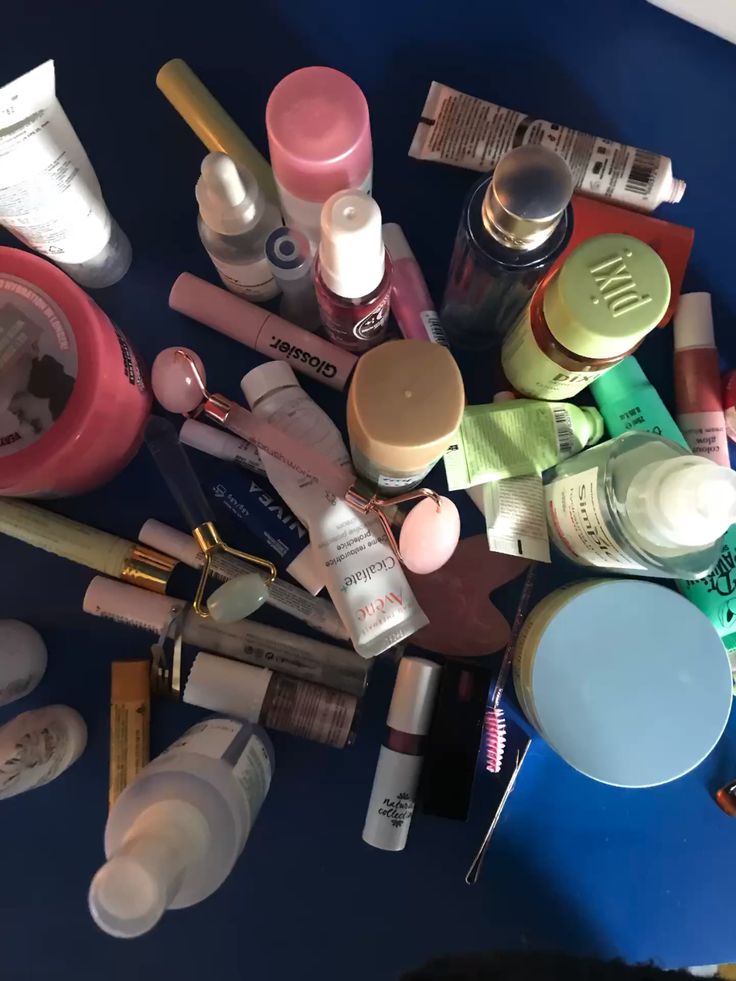
When your skin barrier is compromised, less is more. Here’s how to heal it step by step.
1. Simplify Your Routine
Set aside unnecessary products. For now, stick to:
- Gentle cleanser
- Moisturizer
- Sunscreen (in the morning)
2. Use a Gentle Cleanser
Harsh cleansers strip the skin’s natural oils. Choose a mild, fragrance-free formula that leaves your skin soft, not tight.
3. Focus on Barrier-Repair Ingredients
Look for products with:
- Ceramides – strengthen your barrier
- Niacinamide – reduces redness
- Hyaluronic acid – boosts hydration
- Aloe vera or oat extract – calm irritation
4. Moisturize Generously
Your moisturizer should comfort and protect. Cream-based moisturizers work best for barrier repair, while gels suit oilier skin types.
5. Never Skip Sunscreen
SPF 30+ every morning is non-negotiable. Sun exposure is one of the biggest threats to the skin barrier.