
Glow from root to tip — with love for your natural texture.
When it comes to haircare, one golden rule always applies: Know your hair, love your hair. Understanding your hair type is the first step in building a routine that works with your strands — not against them. Whether your hair is sleek and straight or tightly coiled, learning your natural pattern will help you choose the right products, tools, and techniques to keep it healthy, strong, and thriving.
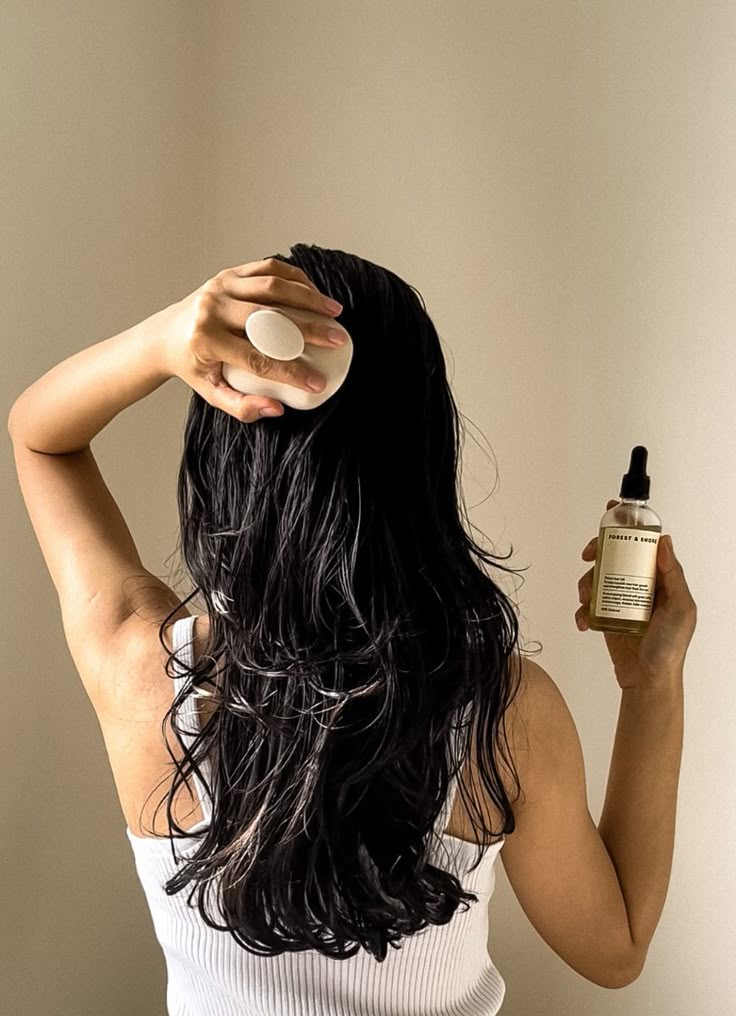
What Are the Main Hair Types?
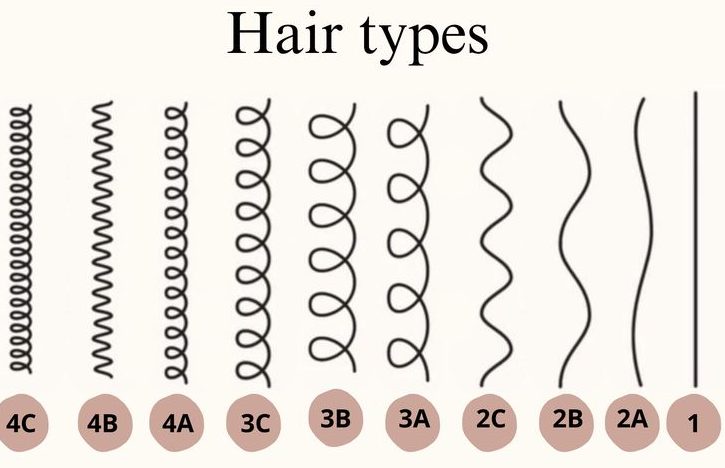
Hair is commonly categorized into four types based on curl pattern and texture:
| Type | Texture | Pattern |
| 1 | Straight | No visible curl or wave |
| 2 | Wavy | Loose “S” shaped waves |
| 3 | Curly | Defined spiral curls |
| 4 | Coily/Kinky | Tight coils or zig-zag curls |
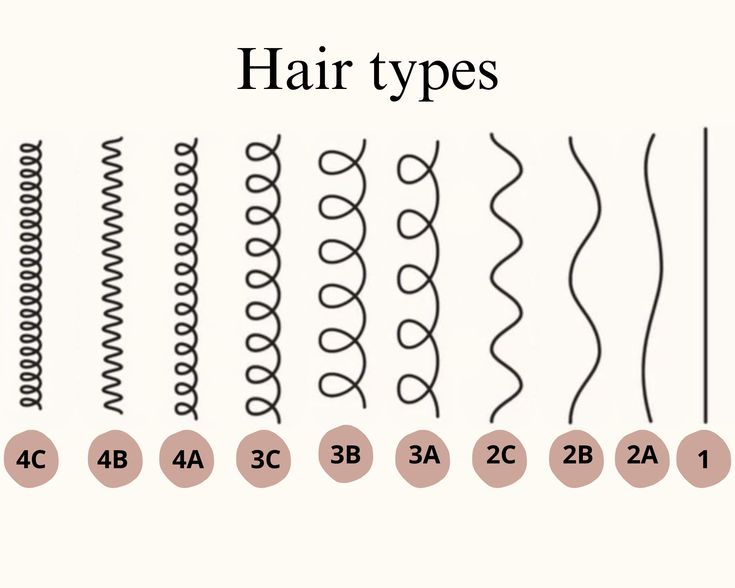
Each type has its own subcategories (A, B, C) to reflect differences in thickness, definition, and density.
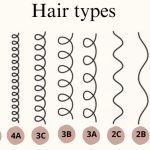
Hair Type Chart: 1A to 4C
Type 1: Straight Hair
- 1A: Super fine, flat, oily easily
- 1B: Straight with slight volume
- 1C: Thick and coarse, more prone to frizz
Best care tip: Use lightweight shampoos, clarifying treatments, and avoid heavy creams.
Type 2: Wavy Hair
- 2A: Loose, barely-there waves
- 2B: Defined “S” waves with some frizz
- 2C: Thick, more textured waves, frizz-prone
Best care tip: Use hydrating mousses or wave-defining gels, and avoid overbrushing.
Type 3: Curly Hair
- 3A: Big, loose curls with shine
- 3B: Springy ringlets, more volume
- 3C: Tight corkscrews, thick and voluminous
Best care tip: Moisture is key. Use sulfate-free cleansers, curl creams, and leave-ins.
Type 4: Coily/Kinky Hair
- 4A: Defined, soft coils
- 4B: Fluffy, zig-zag coils with less definition
- 4C: Very tight, dense coils with shrinkage
Best care tip: Use rich butters, oils, and deep conditioning masks regularly.
How to Identify Your Hair Type?
1. Start With Clean Hair
Wash and air-dry your hair with no product in it.
2. Check the Curl Pattern
Does your hair fall flat (Type 1)? Form waves (Type 2)? Spring into curls (Type 3)? Or form tight coils (Type 4)?
3. Feel the Texture
Fine? Medium? Coarse? This helps determine what products work best.
4. Observe Volume & Frizz
Hair with more volume and shrinkage usually falls into the Type 3 or 4 range.
Other Factors That Affect Hair Type
Your curl pattern is just the beginning. These also matter:
- Porosity: How well your hair absorbs moisture
- Density: How many strands are on your scalp
- Elasticity: How much your hair stretches before breaking
These details help you fine-tune your haircare routine for better results.
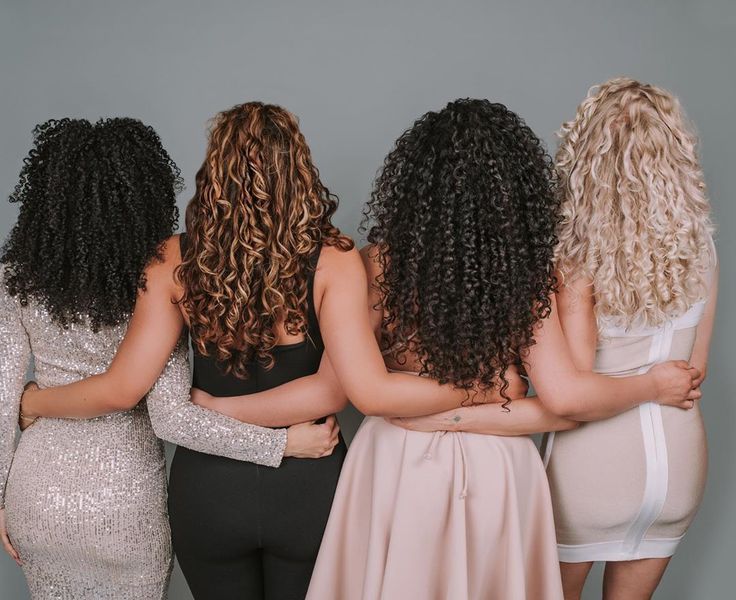
At GlowEdits, we believe beauty starts with acceptance. Whether you have 1A glass hair or 4C coils, your texture tells a story — one worth celebrating. Your glow doesn’t come from fighting your hair, but from flowing with it. Knowing your hair type is a powerful first step in your beauty journey. With the right care, any texture can glow. Bookmark this guide, come back whenever you need a refresher, and explore more on GlowEdits for personalized tips and product picks made for your glow, your pace, your way.