

Frizz happens to the best of us, one minute your hair looks fine, the next it’s puffing up like it has a mind of its own. Whether it’s the humidity, heat damage, or just your natural texture acting up, battling frizz can feel like a daily struggle. But don’t worry you’re not alone, and there is a way to keep those strands smooth and sleek. In this guide, we’re breaking down exactly what causes frizz and how to fight it with easy, everyday haircare habits that actually work and made your hair frizz free.
What Causes Frizzy Hair?
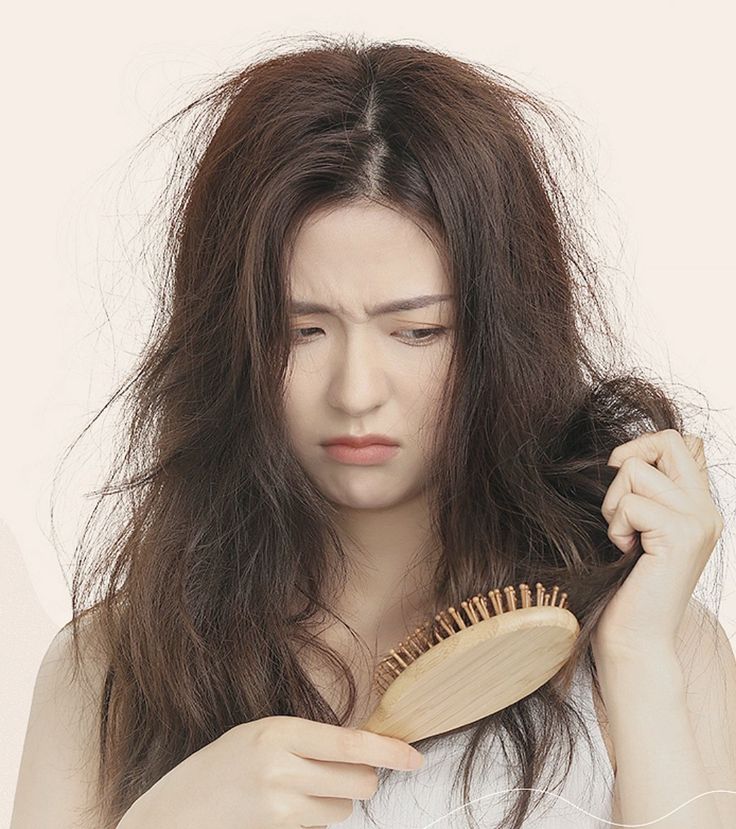
Frizz is what happens when your hair seeks moisture from the environment due to a lack of hydration in the hair shaft. It’s common in dry, damaged, or textured hair types and is often triggered by humidity, heat styling, or harsh products.
Understanding what leads to frizz is key to finding the right solution.
Common Causes of Frizz
1. Humidity
Frizz gets worse in humid climates because your hair soaks up moisture from the air, which disrupts its natural structure.
2. Heat Styling
Frequent use of flat irons, blow dryers, and curling tools can damage your cuticle, leading to split ends and a frizzy look.
3. Over washing
Stripping away natural oils leaves your strands dry and vulnerable to frizz.
4. Rough Towel Drying
Vigorously rubbing your hair with a regular towel raises the cuticle and creates frizz.
5. Hair Texture and Genetics
Some hair types (especially curly or wavy) are naturally more prone to frizz due to the shape of the hair strand and how oils travel down the shaft.
How to Reduce Frizz: Daily Haircare Routine
AM Routine: Start Smooth
Your morning haircare sets the tone for the day. Here’s how to begin frizz-free:
1. Gentle Cleansing
Use a sulfate-free cleanser to remove dirt without stripping oils. Avoid washing every day if your scalp isn’t oily.
2. Hydrating Conditioner
Focus on mid-lengths to ends and use a wide-tooth comb in the shower to detangle gently.
3. Microfiber Towel or Air Dry
Pat your hair gently with a microfiber towel or old t-shirt. Avoid rubbing to minimize frizz and breakage.
4. Protect Before Styling
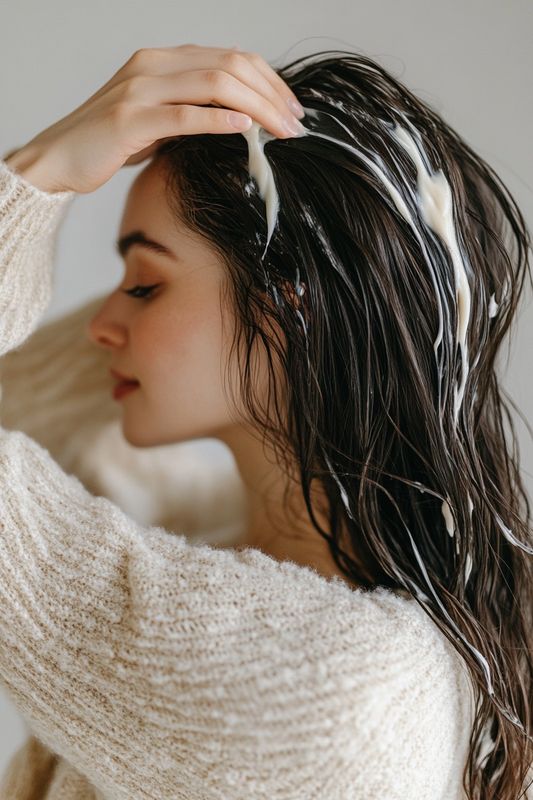
If you use heat, always apply a heat protectant. For air-drying, consider a light leave-in cream to seal in moisture.
Related: Say Goodbye to Hair Breakage: Causes, Fixes & Daily Habits That Help
PM Routine: Lock In Moisture
Nighttime is for recovery and protection.
1. Overnight Oils or Serums
Apply a small amount of nourishing oil or hydrating serum to keep your strands moisturized overnight.
2. Silk or Satin Pillowcase
Swap out cotton for satin to reduce friction while you sleep—this helps avoid waking up with puffy, frizzy hair.
3. Loose Braids or Pineapple
Secure your hair gently to preserve curls or waves without creating new frizz overnight.
Smart Styling Tips to Tame the Frizz
Frizz isn’t just a wash-day problem it’s also influenced by how you style and handle your hair.
1. Don’t Overbrush
Brushing dry hair especially with the wrong tools can separate strands and cause puffiness. Opt for a wide-tooth comb or use your fingers for detangling.
2. Trim Split Ends
Split ends worsen the look of frizz. Regular trims every 6–8 weeks help your hair look polished and healthy.
3. Avoid Product Overload
Too many products can weigh your hair down and create buildup, leading to dull and unruly strands. Stick to light, hydrating products and apply sparingly.
Fighting Humidity: Anti Frizz Tips
Humidity is the ultimate frizz challenge but it can be handled with a few precautions.
1. Seal with Moisture
Well-moisturized hair won’t seek hydration from the air. Think of sealing your strands with a hydrating product post-wash.
2. Protective Hairstyles
Braids, buns, and updos help keep your hair protected in high-humidity environments.
3. Avoid Touching Your Hair
The more you touch your hair during the day, the more you disrupt its pattern especially in humid weather.
Natural Frizz Remedies
If you love keeping things simple and natural, these DIY-friendly ideas can help:
- Rinse with cold water: This helps to seal the cuticle after washing.
- Use aloe vera gel: A natural hydrator that smooths flyaways without stickiness.
- Honey + yogurt mask: Hydrating and protein-rich combo for once-a-week TLC.
- Banana + olive oil mask: Deeply moisturizes and softens textured hair.
Frizz Myths You Shouldn’t Believe
Let’s clear up some common misunderstandings:
- Myth: “Frizz is a sign of unhealthy hair.”
➤ Not necessarily! Even healthy, curly hair can appear frizzy if it lacks hydration or structure. - Myth: “Only curly hair gets frizzy.”
➤ Straight hair can experience frizz too especially when exposed to heat, friction, or dryness. - Myth: “More products = less frizz.”
➤ Overloading can backfire. Balanced care and hydration are more effective than stacking layers of product.
Embrace the Smoothness
Frizz might be a common struggle, but with consistent care, the right habits, and a little patience, smooth, manageable hair is completely within reach.
The best anti-frizz haircare isn’t about perfection it’s about working with your hair’s natural texture, protecting it from damage, and giving it the hydration it craves.