
What Is Hair Breakage?
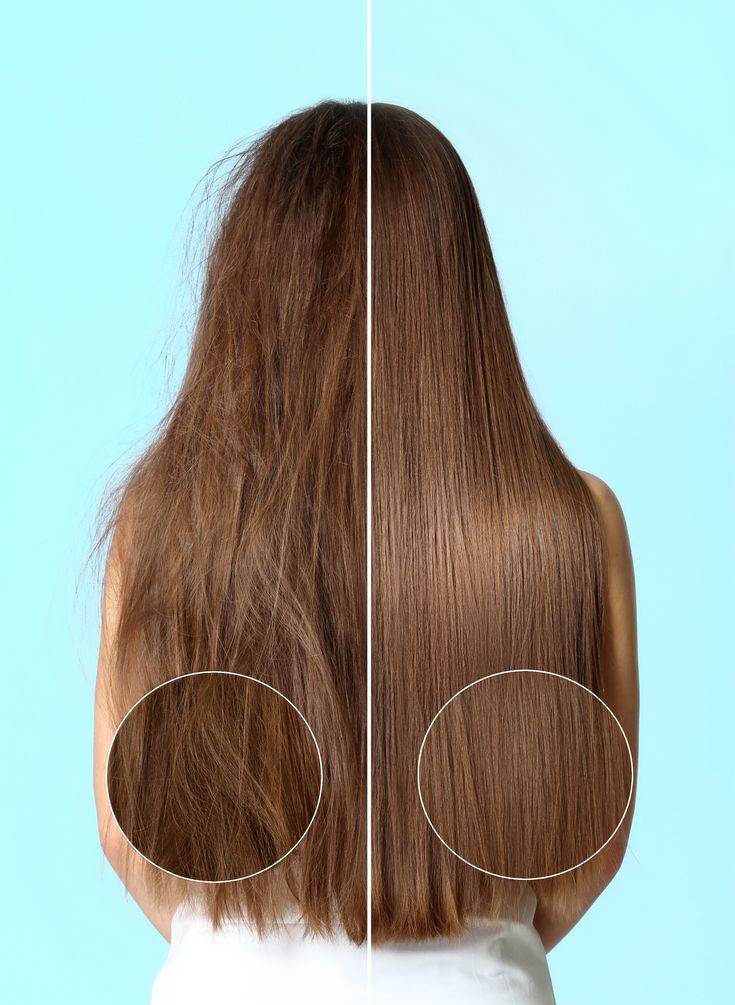
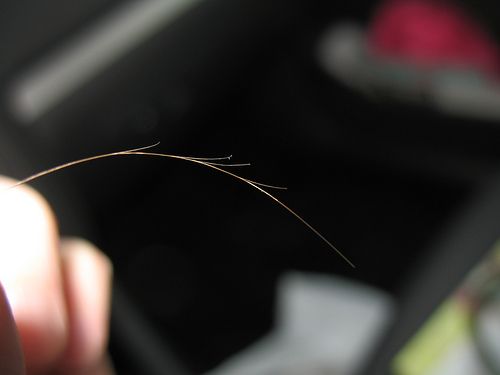
Hair breakage happens when the strands of your hair snap instead of shedding from the root. This is different from hair fall breakage often leaves behind uneven lengths and flyaways, making your hair look frizzy, dull, and unhealthy.
Unlike natural hair loss, hair breakage is usually preventable with the right haircare habits and mindful treatment.
Common Causes of Hair Breakage
Understanding the root of the problem is the first step in preventing it. Here are the top causes behind weakened, breaking strands:
1. Excessive Heat Styling
Flat irons, curling wands, and blow dryers can weaken the protein bonds in your hair, making it brittle and prone to snapping.
2. Chemical Damage
Coloring, relaxing, perming, or bleaching can strip the hair’s natural moisture, leading to severe breakage if done frequently.
3. Over-Washing
Washing your hair too often can strip away natural oils that protect and moisturize your strands, making them more fragile.
4. Tight Hairstyles
Wearing ponytails, buns, or braids too tightly can cause physical stress on your hair, especially around the hairline.
5. Lack of Moisture
Dry hair is more prone to breaking. This can be caused by environmental factors like sun, wind, or indoor heating.
6. Poor Nutrition
Hair needs certain nutrients like protein, iron, and vitamins to grow strong. A lack in diet can reflect directly in your hair health.

How to Fix Hair Breakage
Breaking the cycle of damage requires consistency and care. Here are practical ways to repair and restore your hair’s strength:
1. Hydrate Your Hair Regularly
Make moisture a regular part of your routine. Incorporate hydration methods like deep conditioning or oiling to help restore elasticity and shine.
2. Trim Split Ends
Regular trims help eliminate split ends, which can travel up the hair shaft and worsen breakage. A small trim every 6–8 weeks can maintain healthier-looking hair.
3. Handle Wet Hair Gently
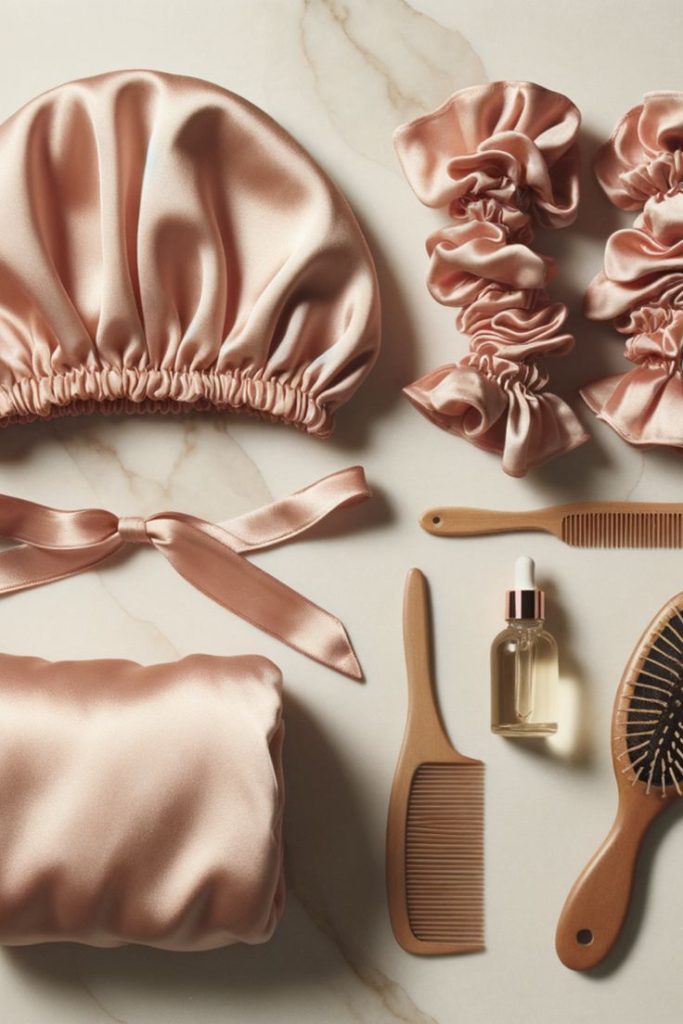
Hair is more fragile when wet. Always use a soft towel (preferably microfiber) and avoid brushing harshly. Instead, detangle gently with wide-tooth combs.
4. Air-Dry When Possible
Letting your hair dry naturally helps reduce exposure to heat damage. If you must use heat, always make sure your hair is partially dry before styling.
5. Choose Hair-Friendly Fabrics
Switch to silk or satin pillowcases to reduce friction while you sleep, helping to prevent nighttime breakage and tangling.
Preventing Hair Breakage: Daily Habits That Make a Difference
Prevention is better than repair. These simple haircare tips can protect your strands from everyday stress and keep breakage at a distance.
1. Use Protective Hairstyles
Wear looser hairstyles or protective styles that limit manipulation of your hair. These reduce tension and help retain length over time.
2. Avoid Over-Brushing
Brushing too often especially with rough bristles can lead to breakage. Focus on detangling with care and only when necessary.
3. Protect Hair From Weather
Cover your hair with a scarf or hat in harsh sunlight or wind. This shields your hair from environmental damage and moisture loss.
4. Stay Consistent With a Hair Routine
Routine helps your hair stay balanced. Cleanse, hydrate, and protect your strands regularly, and avoid switching routines too often.
5. Eat for Hair Health
Your hair reflects your internal health. A balanced diet with protein, healthy fats, and vitamins supports strong, growing hair from within.
Hair Breakage Myths to Stop Believing
Let’s clear up some common misconceptions:
- Myth: “Hair breakage only happens to damaged hair.”
➤ Truth: Even “healthy” hair can break if mishandled or neglected. - Myth: “Frequent trims make hair grow faster.”
➤ Truth: Trims don’t affect growth rate but do prevent breakage that can hinder visible length. - Myth: “Natural hair doesn’t break easily.”
➤ Truth: All hair types can break without proper moisture and handling.
Final Thoughts: Be Gentle, Be Consistent
Hair breakage doesn’t mean your hair is ruined — it’s simply asking for a little more care. With a few habit changes and a more thoughtful approach to daily haircare, you can restore your hair’s strength, shine, and resilience.
Remember, the best treatment is prevention. Your hair thrives when it’s protected, hydrated, and handled with love not stress.