
When it comes to skincare, the biggest mistake most people make is following someone else’s routine. What works wonders for your best friend might leave your skin irritated, oily, or completely out of balance. That’s because one routine does not fit all — your skin has its own story, needs, and rhythm. Whether you’re battling breakouts or chasing that subtle glow, the journey to your best skin starts with one simple truth: understanding your skin type. Identifying your skin’s unique characteristics is the first step to achieving your ideal skin goals. In this guide, we’ll help you unlock exactly what your skin craves and why knowing your type is the game-changer your skincare routine has been missing.
Understanding the Different Skin Types
Before jumping into products or routines, it’s important to understand the five main skin classifications. Each type reacts differently to ingredients, environments, and even seasonal changes.
1.Normal Skin
Often described as well-balanced, normal skin isn’t too oily or too dry . It has minimal imperfections, small pores, and a healthy glow. While it may sound ideal, it still needs maintenance to keep it that way.
2. Oily Skin
This type is characterized by excess sebum production, resulting in shiny skin, especially in the T-zone (forehead, nose, and chin). Oily skin is more prone to acne, blackheads, and enlarged visible pores.
3. Dry Skin
Dry skin often feels tight, flaky, or rough. It may appear dull and is more susceptible to irritation or fine lines. Dry skin lacks natural oils and moisture, making hydration a top priority.
4. Combination Skin
As the name suggests, this skin type is a mix — typically oily in the T-zone and dry or normal on the cheeks. Combination skin can be tricky to manage, as it requires a balanced approach.
5. Sensitive Skin
Easily irritated, sensitive skin reacts to many products or environmental factors. Common signs include redness, itching, or burning. It’s crucial to avoid harsh ingredients and focus on calming, non-reactive formulas.
How to Know Your Skin Type?
You don’t need fancy equipment to determine your skin classification — just a little observation and a simple skin test. Here are two methods you can try at home:
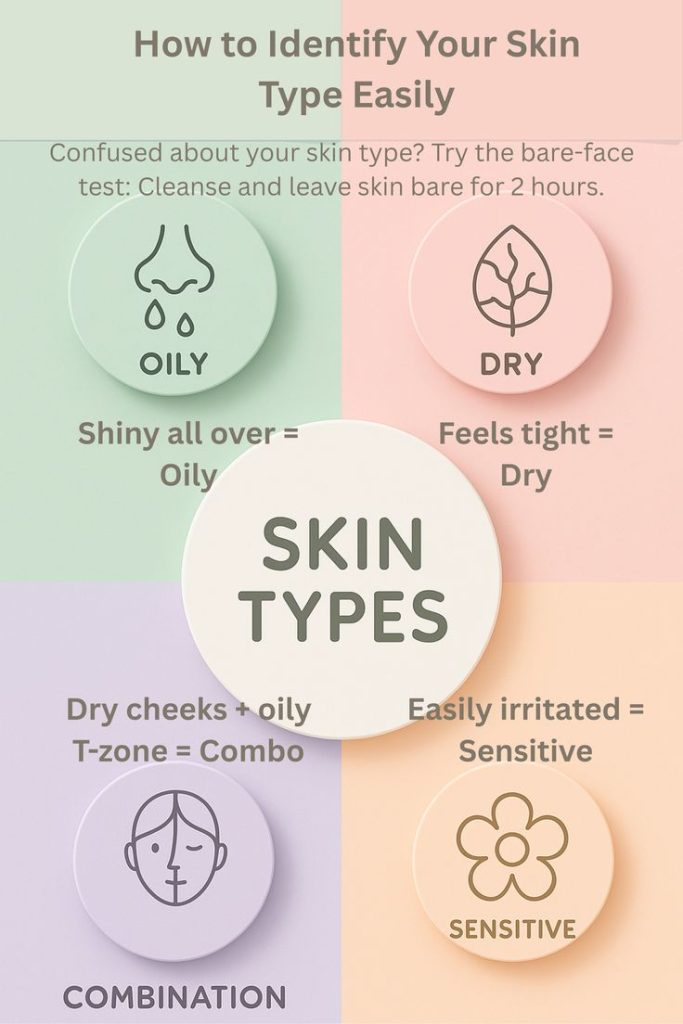
The Bare-Faced Test
- Wash your face with a gentle cleanser and gently pat it dry.
- Don’t apply any products — wait 2 hours.
- Observe how your skin feels:
- Shiny all over? Likely oily.
- Tight and flaky? Probably dry.
- Shiny T-zone with dry cheeks? That’s combination.
- No noticeable issues? You may have normal skin.
- Red, itchy, or burning? You’re likely dealing with sensitive skin.
The Blotting Sheet Test
- Press a clean blotting paper on different areas of your face.
- Hold the sheet up to light to examine oil marks:
- Little to no oil? Dry skin.
- Oil from T-zone only? Combination.
- Oil from all areas? Oily skin.
- Minimal oil with an even feel? Normal skin.
These skincare tests are a great starting point, but they aren’t foolproof. For deeper insights, consider taking a skin type quiz or visiting a dermatologist for a professional evaluation.
Why Skin Type Matters in Skincare
Understanding your skin type is more than a label — it’s the foundation of every effective skin care routine. Here’s why:
Product Selection
The right moisturizer for dry skin could clog pores on oily skin. A toner designed for oily types might irritate sensitive skin. Knowing your skin type helps you pick products with the right ingredients, textures, and functions.
Treatment of Skin Problems
From acne to redness to flakiness, every skin problem stems from different causes. Treating oily skin with rich creams or neglecting hydration on dry skin can worsen the issue. Proper classification helps you address the root cause.
Preventing Damage
Using the wrong products can disrupt your skin barrier, leading to long-term issues like increased sensitivity, breakouts, or premature aging. When your routine is based on your actual needs, you’re less likely to damage your skin over time.
Reaching Your Skin Goals
Whether you want brighter skin, fewer breakouts, or better hydration, understanding your skin’s baseline is the key to making progress. Tailored routines bring you closer to your skin goals efficiently and sustainably.
Do You Need a Skin Type Quiz or Professional Help?
While at-home tests are helpful, they might not capture everything. Online skin type quizzes can provide quick guidance. Just make sure the quiz is from a reputable source and takes into account multiple factors like climate, product use, and lifestyle.
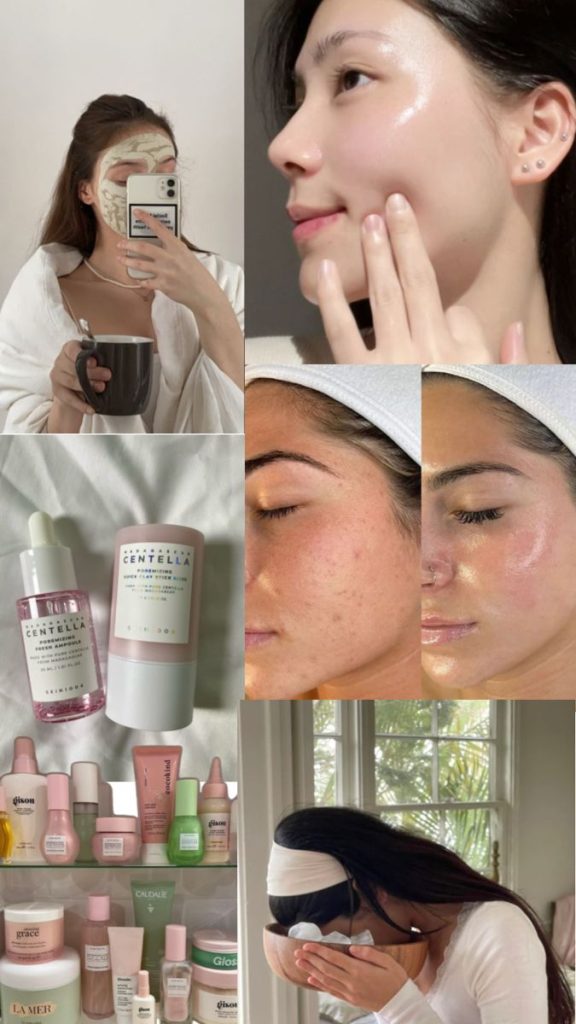
Tailoring Your Routine to Your Skin Type
Once you’ve identified your type, the real transformation begins. A basic routine should include:
- Cleanser (based on oil production and sensitivity)
- Toner (optional, but helpful for balancing pH and refining pores)
- Moisturizer (to lock in hydration and strengthen the barrier)
- SPF (essential for all skin types, every day)
From there, you can add exfoliants, serums, and masks that target specific concerns. Remember: less is more. Build gradually and listen to your skin.